
News Center
Industry news
According to foreign reports, every year in Barcelona, Spain, the World Conference on mobile (MWC) has become a vendor will soon be listed mobile products show stage. As we all know, borderless design and artificial intelligence will be the mainstream of mobile technology this year. In addition, what are the trends in mobile devices? The following are five major trends in mobile devices this year, summed up by DigitalTrends, a technology news website:
First: waterproof mobile phone has become the industry standard
Waterproof function has quickly become one of the mainstream specifications of smart phones. Since SONY launched its waterproof feature on the Xperia Z product line, consumers have been hoping the feature will be adopted by all smartphones. With apple and Samsung Electronics released last year, iPhone 7 and Galaxy S7 using waterproof features, the function of the public in the eyes of the status has been further consolidated.
This year, the World Conference on Mobile has not talked too much about waterproof features, which means that the waterproof function has matured and is no longer the function that users expect. DigitalTrends selected the 2017 world mobile conference, the best mobile phone is LG G6. The phone meets the IP68 certification level, meaning it can run for up to 30 minutes without damage in 1.5 meters of water. The SONY XZ Premium also meets the IP68 certification level; the HUAWEI P10 meets the IPX2 certification level, which means the product can be used in rain or drop water. When the above vendors display the products, they have not promoted the waterproof function as the main function.
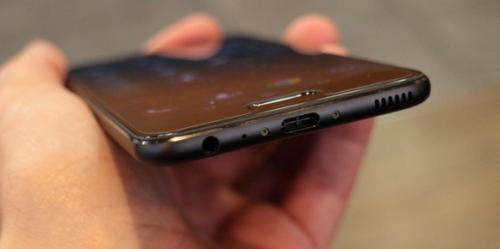
At the moment, 95% of smartphones, priced at over $600, have some sort of waterproof capability. Even some cheap smart phones have begun to make waterproof functions one of their main functions. Lenovo Group launched the Moto G5 Plus, in line with the IPX2 certification level.
Flooding is still the second leading cause of smartphone damage. According to IDC, a market research firm, there are 900 thousand smartphones on average every day, spending more than $96 billion 700 million a year because of flooding damage. The vast majority of such expenditures are borne by ordinary consumers. In a recent poll conducted by YouGov, water security has become the third most anticipated smartphone feature for American consumers. If there is anything special about this year's World Mobile Congress, there is a smart phone maker listening to consumers, and waterproofing has become a trend that manufacturers will adhere to.
Second: TV display technology into the mobile phone
More and more consumers are starting to use smartphones to watch video. Data show that video now accounts for more than half of all mobile device data traffic; this figure is expected to reach nearly 80% by 2021. It also makes it meaningful for Smartphone manufacturers to provide the best possible visual experience as much as possible. But not only is the use of intelligent mobile phone display screen AMOLED display, or higher resolution, adopted in the latest TV display technology is now being applied to the intelligent mobile phone, so as to further enhance the quality of the intelligent mobile phone screen.
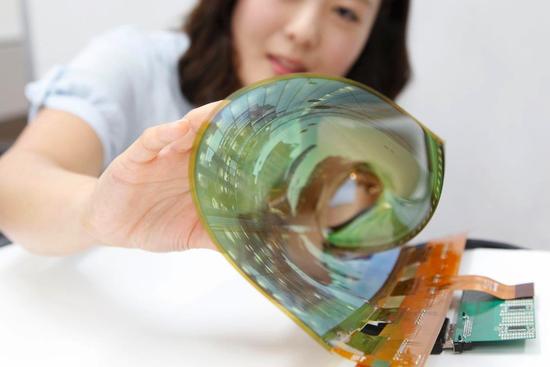
So far, LG has made the biggest progress in the field. By using the Dolby Vision Dolby vision and the HDR 10 display technology, LG G6 has left a deep impression. Through the use of image quality enhancement technology, LG G6 can automatically brighten the screen brightness, expand the dynamic range to enhance the sound effect, enhance the fidelity of the video, and make the picture more realistic. LG G6 as before as playing module, using the best choice and visual feeling, the use of a 18:9 aspect ratio of the 5.7 inch screen, with a 18:9 aspect ratio, 2560x1440 display, so it has excellent viewing effect. SONY also uses HDR technology in Xperia XZ Premium. With Xperia XZ Premium and the old version of Z5 Premium playing the same 4K movie, you will find that the former HDR images are brighter and have a wider visual angle.
Both LG electronics and SONY are making television screens, which allows them to apply the new technology to smartphones sooner than any other manufacturer. Samsung Electronics is expected to follow suit, and other manufacturers may use SHARP, Japanese monitors and other panel manufacturers to launch similar products in the future.
